Why It's Fine If Your Child Does Not Get It Right Away
The Question Behind The Question
Before a parent ever fills in a booking form, there is usually a quieter question sitting underneath it: what happens if my child cannot do the move? Will they feel silly in front of the other kids? Will the instructor expect them to get it right straight away?
It is a fair thing to wonder. Nobody wants to sign their child up for an hour of feeling behind everyone else. So here is the honest answer, based on what actually happens in a Youth Self-Defence (Hapkido) class at Canberra Martial Arts & Fitness, not what a brochure would tell you.
Nobody Is Expected To Nail It First Go
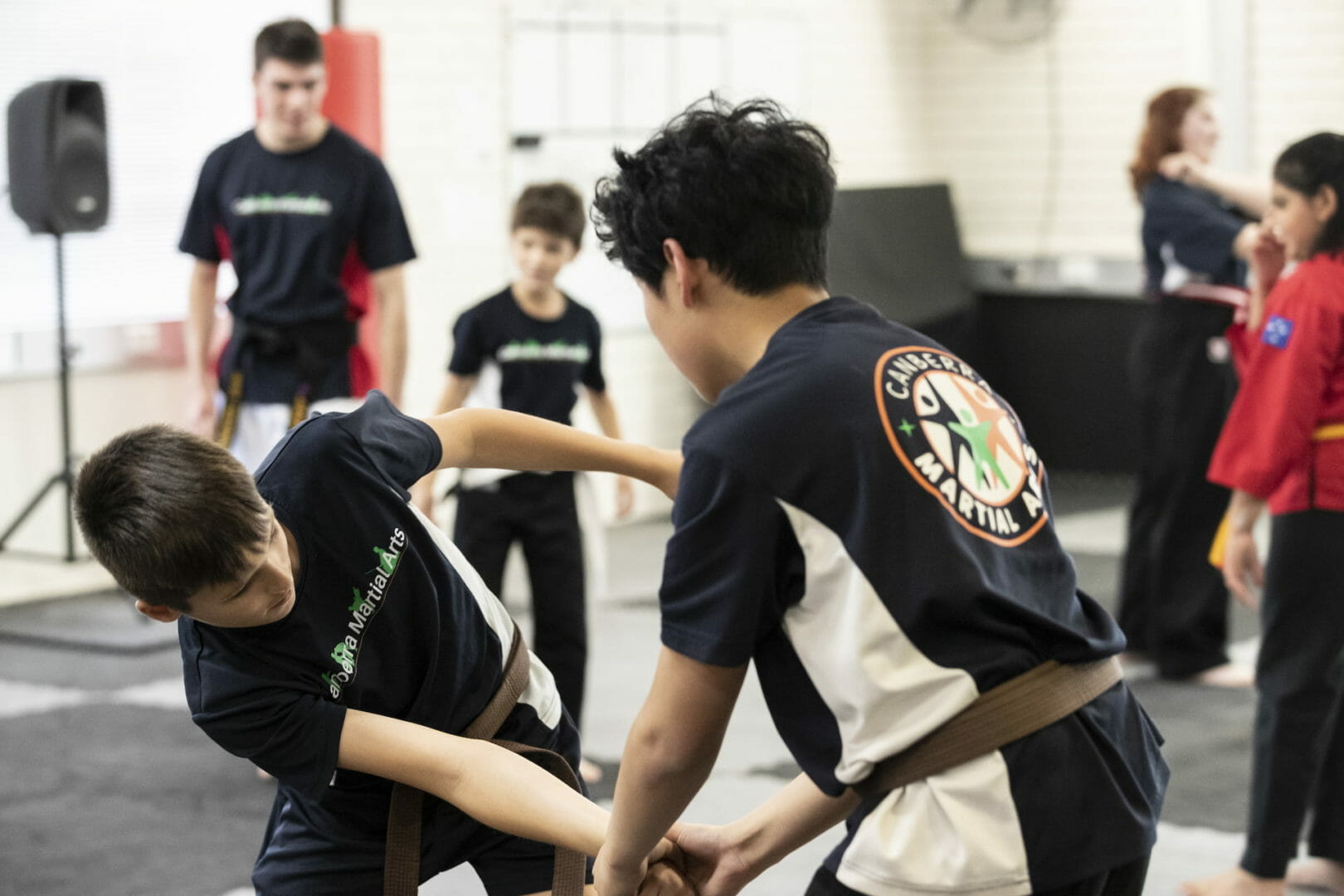
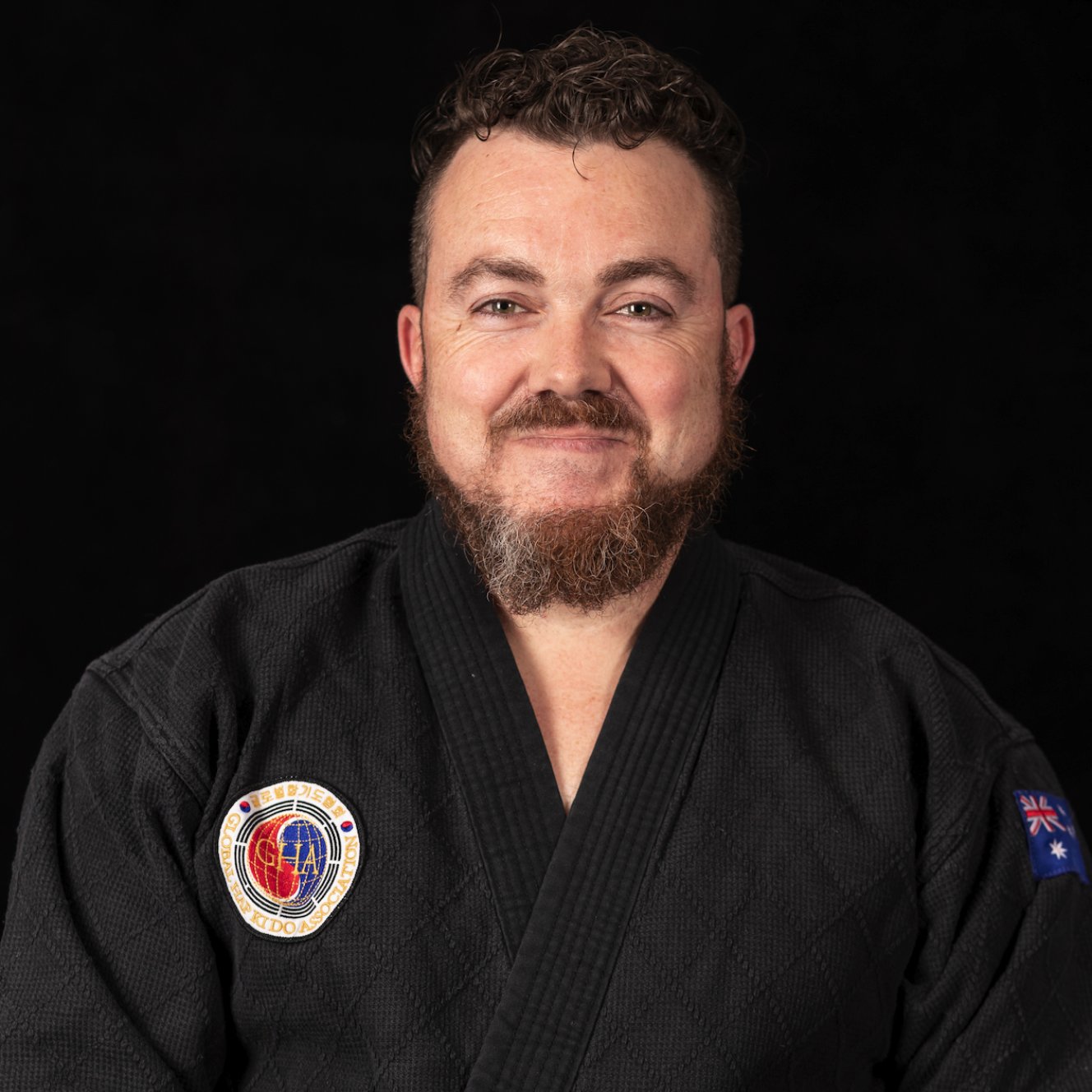
In a recent Youth Self-Defence class, the group was working through Pal Makki, a basic kicking defence. Master Tom demonstrated it first, slowly and step by step, then it was straight over to the kids to give it a try themselves.
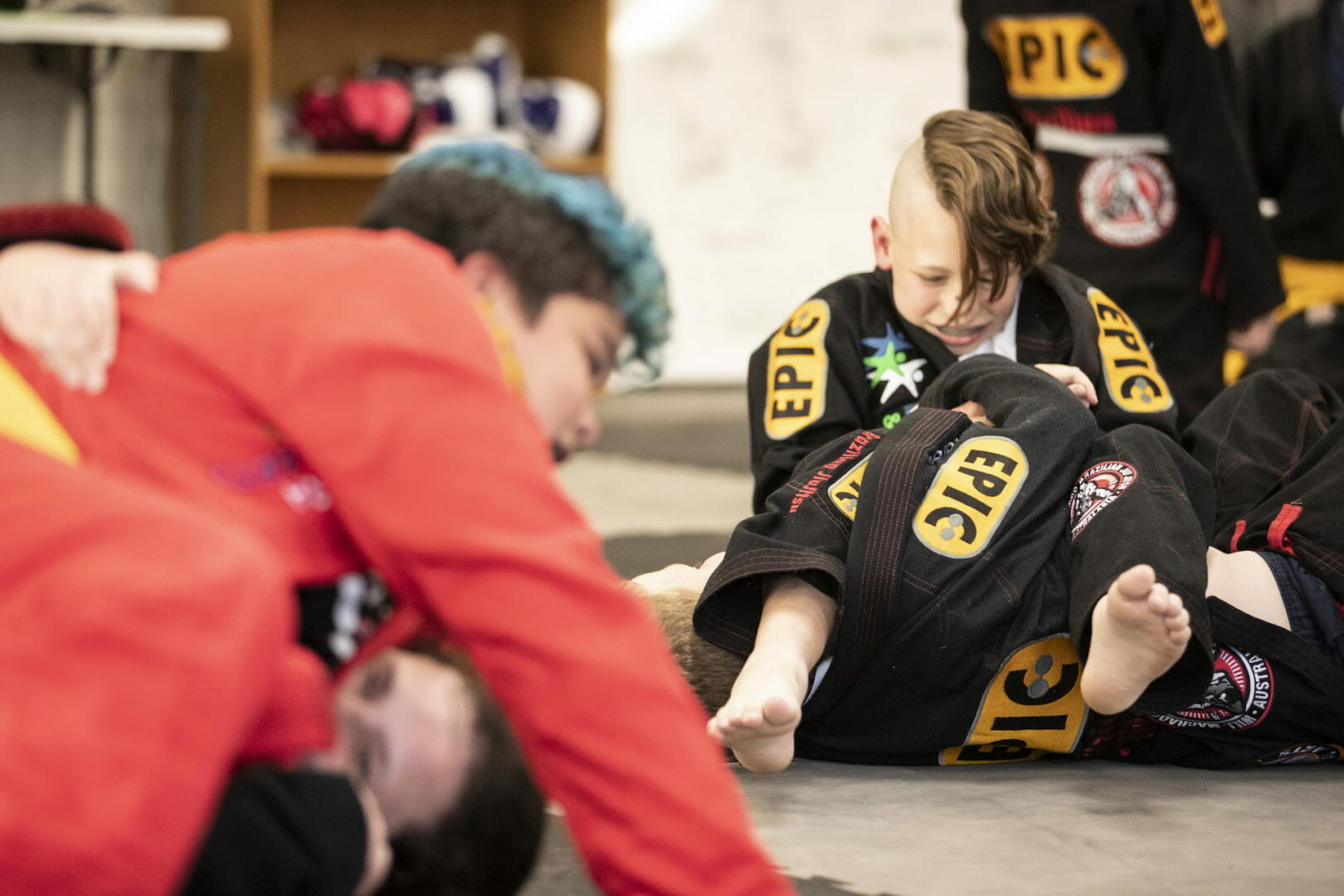
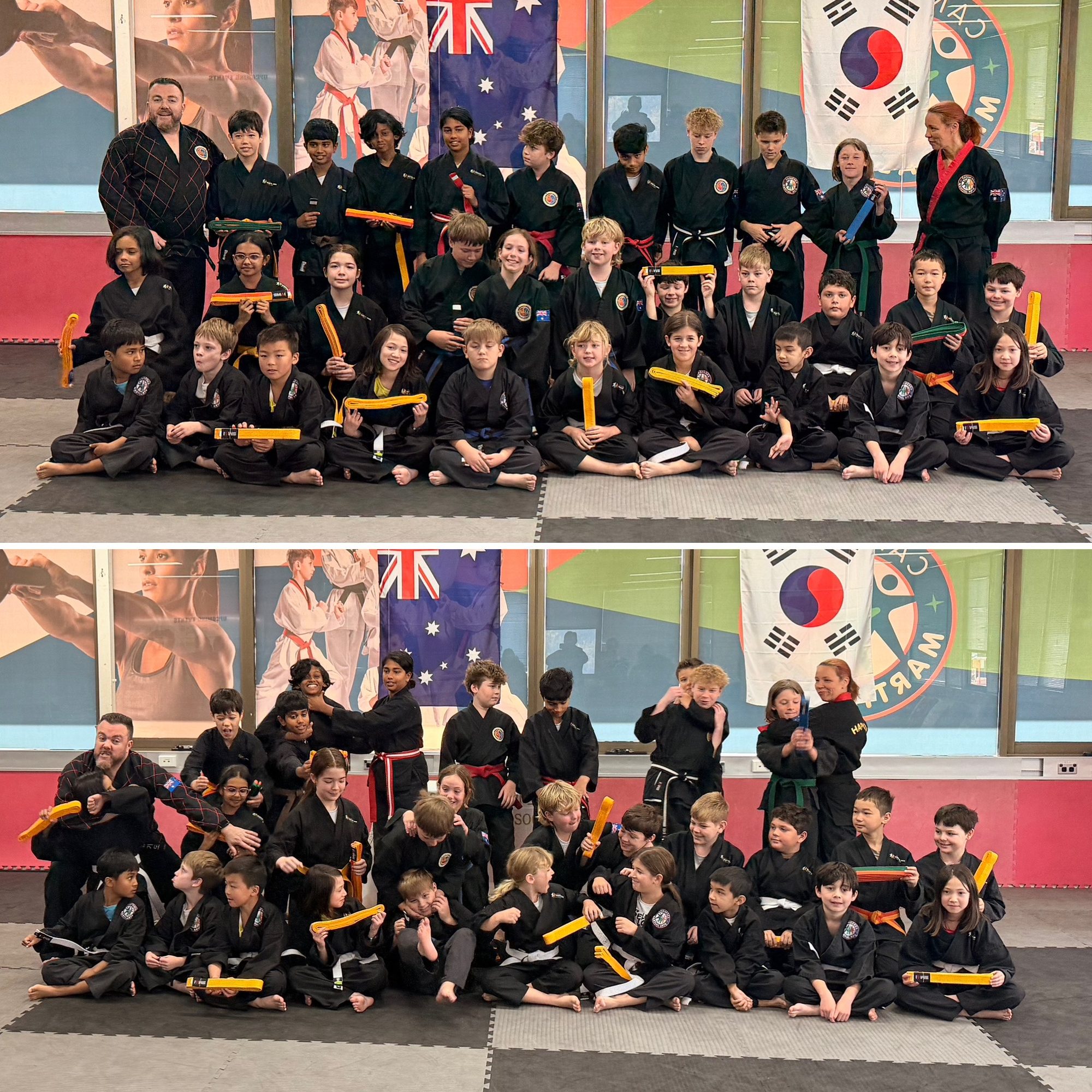
That order matters. Watch first, then attempt it, with an instructor close by to correct and encourage rather than judge. One student lost track of the sequence about halfway through. Another ended up on the mat laughing about it. Neither of those things stopped the class, and neither of them was treated as a problem to fix quietly. It is simply what learning a new physical skill looks like at eight, or ten, or any age.
Nobody's expected to nail it straight away. It takes time, practice and a little patience along the way.
What A Youth Self-Defence Class Actually Looks Like
If you have never watched one, the structure is straightforward:
- A warm-up that gets kids moving and focused, not lined up in silence.
- A technique demonstrated clearly by the instructor, broken into small steps.
- Time to try it themselves, usually with a partner or in a small group.
- Individual correction as they go, not a public callout in front of everyone.
- Repetition, because the second and third attempt are always better than the first.
There is no moment where a child is expected to perform the technique perfectly on demand. The whole hour is built around practising something new until it starts to make sense in the body, not just in the instructions.
Why The Mistakes Are Part Of The Point
A class that only ever felt easy would not be teaching anyone anything. The stumble, the mixed-up sequence, the moment a child asks "wait, which arm?" - these are the class working as intended, not a sign that something has gone wrong.
What matters more than a clean first attempt is whether a child is willing to try again after getting it wrong. That is the actual skill being built in a self-defence class: not a single perfect kick, but the confidence to have a go, get corrected, and try it once more. Kids who laugh off a mixed-up sequence are usually the ones who come back the following week ready to try harder, not the ones who felt embarrassed and did not want to return.
When Can My Child Start
Youth Self-Defence (Hapkido) runs at both clubs during the school term: Tuesdays and Thursdays at 5.15pm at Woden, and Wednesdays at 5.15pm at Coombs. A full breakdown of every class, age group and time is on our timetable page.
If your child is closer to preschool age, there are dedicated younger classes rather than dropping them straight into this age group - our team can point you to the right one for their age when you get in touch.
What To Expect At Your Child's First Class
New families are never asked to jump in cold. Our getting started page walks through exactly what to bring, what to wear and how the first session runs, so there are no surprises for you or your child on the day.
You are welcome to come and try a complimentary class before deciding on anything. It is the easiest way to answer the "will my child actually like this" question without committing to more than one visit.
Meet The People Teaching It
Every class is run by instructors who spend far more time correcting mixed-up sequences than they do watching perfect ones, and who build the class culture around exactly that. You can read more about the coaching team on our our team page, and see the full range of programs and options on our pricing page when you are ready to look at joining.
The Short Version
If the only thing holding you back is a worry that your child will feel out of place for not getting a move right on the first try, that worry does not match what actually happens in the room. Getting it wrong, laughing about it, and trying again is the class. Come and try a complimentary class and see it for yourself.