Is Brazilian Jiu-Jitsu Safe for Kids? What Canberra Parents Ask Before Their First Class
"Is Brazilian Jiu-Jitsu safe for my child?" is the question most parents type into Google before they ever fill in an enquiry form – and it's a fair one to ask. Grappling looks a lot more physical from the sidelines than most other kids' activities.
Here's what actually happens in a Youth Brazilian Jiu-Jitsu class, and how the risk compares to sports most parents already consider safe.
What a kids' BJJ class actually looks like
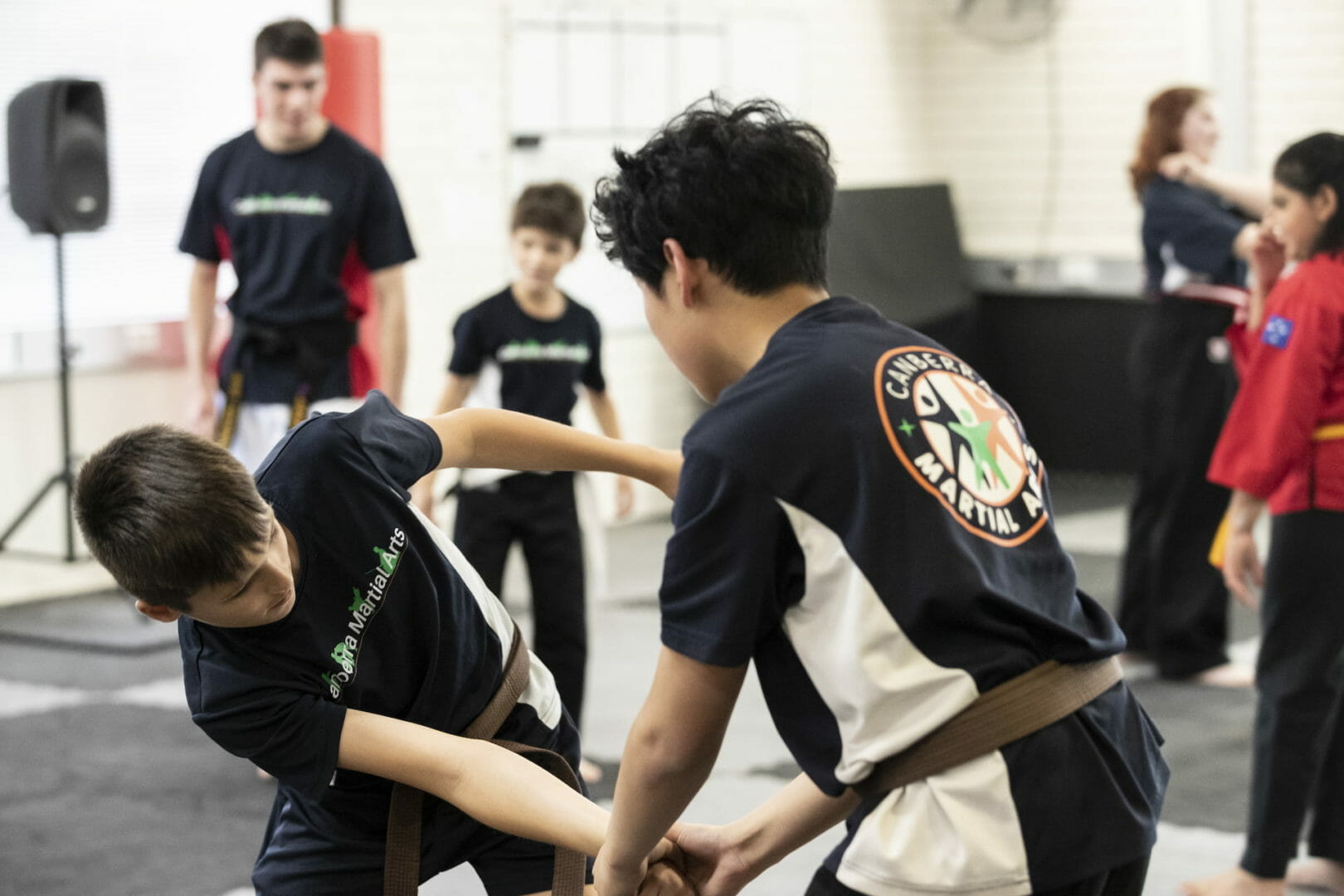
A Youth Brazilian Jiu-Jitsu class does not start with two kids wrestling. It starts with a warm-up, then technique – a specific movement broken down step by step, practised slowly, on a padded mat, under direct instructor supervision.
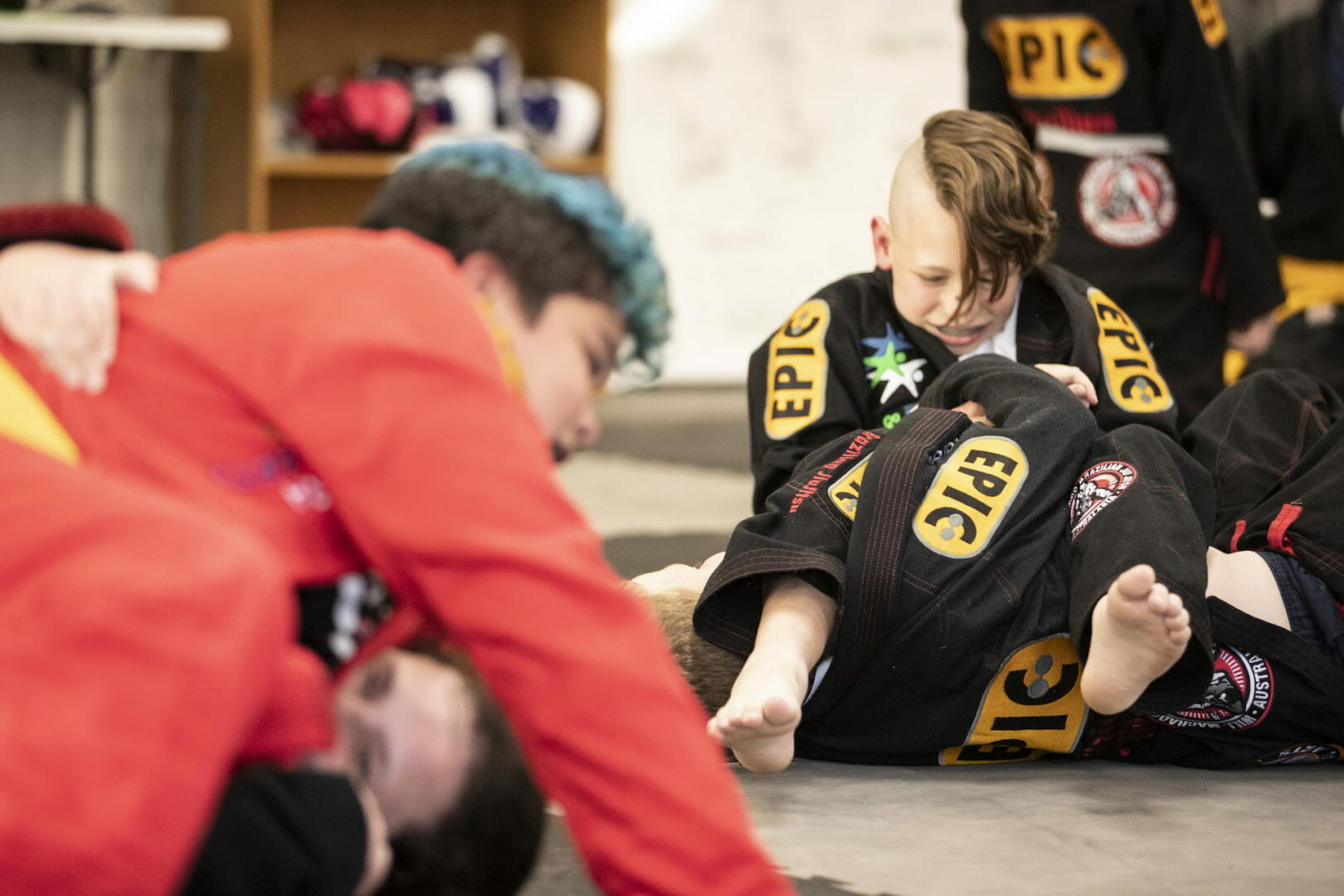
Only once a technique is understood does light sparring begin, and even then it's matched by size, age and experience, not left to chance. Most of a junior class is drilling and games, not live rolling.
How the injury risk compares
Every contact and non-contact sport carries some risk. Studies into youth grappling sports consistently place BJJ's injury rate below football codes, and closer to gymnastics or basketball – most incidents are minor: a jammed finger, a mat burn.
The mechanics of BJJ are built around control, not impact.
There's no striking, no falling from height, no collision at speed.
A technique applied too fast or too hard is stopped well before it becomes forceful, because the training partner can simply tap to signal "that's enough" – something few other kids' sports have built in as a rule from day one.
Tap Early & Tap Often
"The first thing we teach isn't a technique at all – it's how to tap, and how to listen for the tap. That one habit prevents more injuries than any warm-up we run."
What about joint locks and chokes?
This is usually the real question behind "is it safe" – kids' BJJ does eventually include controlled submissions, and that surprises some parents.
In practice, submissions for junior grades are heavily restricted: no chokes, no leg locks, and joint locks are only introduced once a child has shown they understand control and can tap early and often.
A ten-year-old white belt is not attempting a kneebar.
They're learning position, balance and how to escape – the same fundamentals that make the sport safer as it gets more advanced, not less.
What instructors do to keep it safe
- Size and experience matching – kids roll with partners close to their own size and grade, never against a much bigger or more experienced training partner.
- Direct supervision – every roll is watched, and stopped the moment technique breaks down or intensity creeps up.
- Graded intensity – younger belts spend far more time on technique than on live rolling. Sparring intensity increases gradually as a child's control improves, not their size.
- The tap is sacred – kids are taught in their first class that tapping ends the position immediately, no exceptions, no "just one more second".
Only exception to the rules above, are when the adults turn up for roll time, the kids can go wild and the adults have already learned control.
Is my child ready?
Most clubs, ours included, start Youth Brazilian Jiu-Jitsu from around 8-9 years old, with classes grouped by age and size rather than one mat for everyone.
A shy child often settles into BJJ faster than a louder, more contact-based sport, because so much of the early curriculum is solo technique and partner drills with a set structure – there's no need to be the biggest or loudest kid in the room to do well.
Quieter kids often thrive here precisely because effort and attention matter more than natural size or aggression.
What to expect at the first class
Turn up a few minutes early in comfortable clothing – a t-shirt and tracksuit pants, no gi required for a first class. An instructor will walk your child through the basics before anyone rolls, and you're welcome to watch from the side the whole time. Most parents say the same thing afterwards: it looked far more controlled in person than it did in their head beforehand.
If you'd like to see it for yourself before deciding anything, a complimentary Come and Try class is the easiest way – no pressure, no commitment, just a chance to watch your child try a class and ask an instructor anything that's still on your mind. You can check class times for both clubs, read more about the Youth Brazilian Jiu-Jitsu program, or meet the instructors on our Our Team page first.
The honest answer to "is it safe" is the same one we'd want if we were the ones asking: no sport with physical contact carries zero risk, but BJJ is built – deliberately – around control rather than force, and a good club runs it that way from a child's very first class.